Phone:
+91-98710 38442
Physical address:
Ground Floor, Centrum Plaza, Mehrauli-Gurgaon Rd, next to CRC Building, Sultanpur, New Delhi, Delhi 110030

Phone:
+91-98710 38442
Physical address:
Ground Floor, Centrum Plaza, Mehrauli-Gurgaon Rd, next to CRC Building, Sultanpur, New Delhi, Delhi 110030
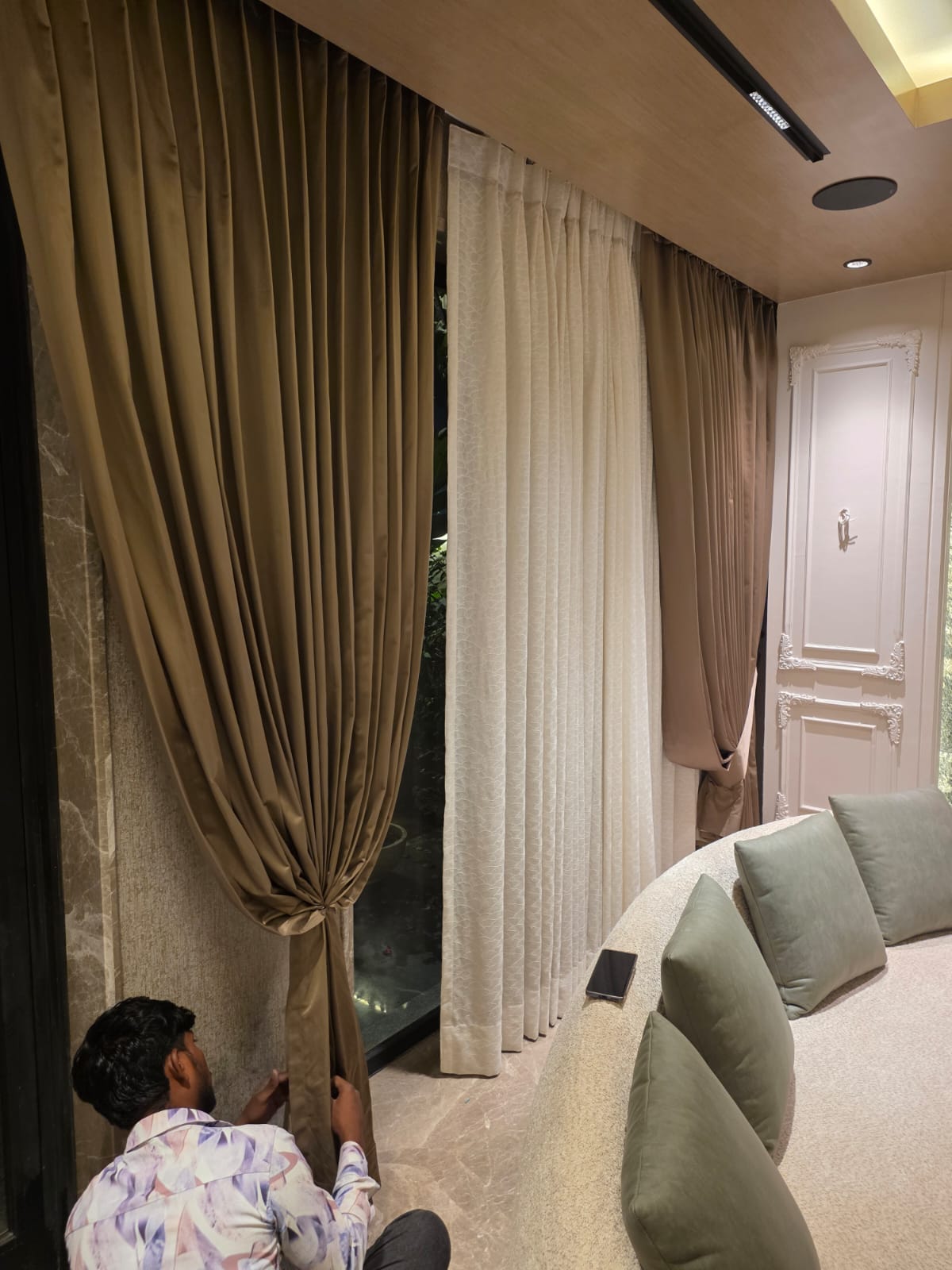
Sofa fabric is usually chosen for colour and pattern, and almost never for how it will actually feel against skin across a full year of use. That's a mistake, because fabric has a real, measurable effect on comfort some materials stay noticeably cooler in summer, others hold warmth better in winter, and the wrong choice can make an otherwise beautifully designed sofa genuinely uncomfortable to sit on for months at a time. We see this play out often in homes across DLF Phase 1, DLF Phase 2, DLF Phase 4, and Sushant Lok 1, where indoor temperatures swing meaningfully between Gurgaon's peak summer heat and its colder winter months.
A tightly woven fabric traps more body heat against the skin, which feels cosy in winter but can turn uncomfortably warm during summer afternoons. Looser, more breathable weaves allow air to circulate, keeping the surface noticeably cooler even in a warm room. This has nothing to do with fabric colour and everything to do with how tightly the fibres are woven together a common misconception is that lighter-coloured fabric automatically feels cooler, when weave structure actually plays the larger role.
Cotton and linen blends tend to breathe well and feel pleasant against skin in warmer months, which is part of why they remain popular choices for everyday family sofas in this climate. The trade off is that these natural fibres can feel a little cool and less cosy during Gurgaon's sharper winter weeks, which is where a throw or cushion layer usually bridges the gap rather than needing an entirely different sofa fabric.
Synthetic blends and performance fabrics generally retain a bit more warmth and can feel slightly less breathable in peak summer, but they make up for it with durability, easier cleaning, and consistent comfort through the cooler months. For households that want one fabric to handle the full year reasonably well without switching seasonal covers, a balanced blend usually performs better than a fabric at either extreme.
Smooth, tightly finished fabrics feel cooler to bare skin on contact, which matters more than people expect during Gurgaon's hotter months when shorts and bare arms are the norm indoors. Textured fabrics like boucle or chenille feel warmer and cosier but can feel slightly rough or overly warm during peak summer, making them better suited to accent cushions than full seating surfaces in year round use.
A sofa in a rarely used formal room can afford to prioritise appearance over year-round comfort, since it isn't being sat on daily through every season. A family room sofa, used constantly across every month of the year, benefits far more from a fabric chosen with genuine temperature comfort in mind, even if that means a slightly less dramatic texture or finish.
Comfort is one of the most overlooked factors in sofa fabric decisions, largely because it's impossible to judge from a small swatch in a showroom. We help clients across DLF 1, DLF 2, DLF 4, and Sushant Lok 1 think through weave, breathability, and daily use patterns before finalising fabric, so the sofa feels as good in July as it does in January.
Get in touch with SILKARA for a fabric consultation built around real comfort, not just appearance.